One of the first questions many new clients ask is:
“How long will my wax last?”
The honest answer is that it varies from person to person.
How quickly your hair grows depends on factors such as genetics, hormones, age and previous hair removal methods.
However, for most men, a professional intimate wax will leave the skin feeling smooth for around 3–4 weeks, with most clients choosing to return every 4–6 weeks to maintain the best results.
If you’re new to waxing, it’s also worth knowing that your first wax is rarely representative of what future appointments will be like. In fact, for many people, the first few waxes can actually make the area seem hairier more quickly before the long-term benefits of regular waxing begin to appear.

What happens after a wax?
Immediately after your appointment, the hairs have been removed from the root rather than simply being cut off at skin level.
Unlike shaving, where stubble can often appear within a day or two, waxing gives each hair much further to travel before it becomes visible again.
For most clients, the skin feels noticeably smoother for considerably longer than it would after shaving.

Why do I get hair growing back so soon after my wax?
This is probably the biggest misconception surrounding intimate waxing.
If you notice regrowth within the first couple of weeks, it doesn’t necessarily mean your wax wasn’t successful.
In reality, there are usually one of two explanations.
Reason 1 – The hairs weren’t removed from the root
If the waxing therapist lacks experience or is using poor techniques or unsuitable wax, some hairs may snap during removal rather than being removed completely from the follicle.
Because these snapped hairs are still present beneath the skin, they only have a short distance to grow before becoming visible again.
This is one of the reasons why choosing an experienced waxing specialist is so important.
Good technique and appropriate product selection help maximise the number of hairs removed cleanly from the root.

Reason 2 – The hairs weren’t ready to be waxed
Assuming your therapist has performed a good quality wax, this is by far the most common explanation.
Hair doesn’t all grow at the same time.
Every individual hair follicle operates independently, following its own natural growth cycle.
At the time of your appointment:
- some hairs will be the perfect length to wax
- some may only just have started to emerge through the skin
- others may still be completely beneath the surface
Those very short hairs simply cannot be waxed yet.
Over the following days and weeks they continue to grow, eventually becoming visible.
Many clients mistake these newly emerging hairs for the hairs that were waxed growing back, when in reality they’re completely different hairs that weren’t ready to remove in the first place.

Why can the first few waxes seem disappointing?
This is completely normal and something we explain to many first-time clients.
If you’ve previously shaved or only waxed occasionally, your hair growth will be completely out of sync.
Some hairs will be long.
Some medium length.
Some just beginning to grow.
Some still beneath the skin.
That means your first wax can only remove the hairs that are actually long enough to wax on that day.
As the shorter hairs continue to emerge over the following weeks, the area can actually appear hairier than you expected.
This doesn’t mean waxing isn’t working.
It simply means your hair growth cycles haven’t yet become synchronised.

Why regular waxing gives better long-term results
One of the biggest advantages of regular waxing is that it gradually encourages more of your hairs to grow through at roughly the same time.
After around 3–4 regular waxing appointments, most clients notice that the hair growth has become much more consistent.
At this stage:
- more hairs are long enough to be removed at each appointment
- fewer hairs are left behind because they’re too short
- the skin stays smoother for longer between waxes
- regrowth becomes finer and softer
- appointments often become quicker and more comfortable
Ironically, it’s often during the first 2–4 waxes that clients feel they are getting the quickest regrowth.
In reality, this is simply because more and more hairs are joining the same growth cycle.
Once that cycle becomes established, the benefits of regular waxing become much more noticeable.
This is why we always encourage new clients to judge waxing after several appointments rather than after just one.
Should I shave between appointments?
In short—no.
It can be tempting if you notice some regrowth after your first wax.
However, shaving interrupts the process of bringing your hair growth into the same cycle.
Every time you shave, you’re effectively resetting much of the progress that regular waxing has started to achieve.
If you want the longest-lasting results, it’s best to resist the temptation to shave and instead allow the hair to grow until your next waxing appointment.

What happens if I leave it too long?
Life gets busy, and occasionally appointments get delayed.
However, leaving several months between waxes often means your hair growth starts becoming uneven again.
The hairs begin spreading across different stages of the growth cycle, making it harder for all of them to be removed during the same appointment.
Many clients also find that appointments become more uncomfortable after long gaps because the hair has become thicker and denser again.
Returning every 4–6 weeks helps maintain the progress you’ve already made and usually leads to better long-term results.

Can I make my wax last longer?
Whilst you can’t change your natural hair growth cycle overnight, you can give yourself the best possible chance of enjoying smoother skin for longer.
We recommend:
- Following your aftercare advice carefully.
- Exfoliating every 2–3 days after the initial 48-hour recovery period.
- Cleansing your skin daily.
- Moisturising every day.
- Avoiding shaving between appointments.
- Returning for regular waxing every 4–6 weeks.
Looking after your skin won’t stop your hair growing, but it helps maintain healthier skin, reduces the likelihood of ingrown hairs and allows each wax to achieve the best possible results.
For more advice, read our guide to Male Intimate Wax Aftercare.

Can anti-regrowth products help?
Yes—they can.
Specialist hair growth inhibitors (sometimes called anti-regrowth products) are designed to be applied during the days immediately following hair removal.
When you choose a genuine, well-formulated product and use it correctly and consistently after each wax, they can help to slow the rate of regrowth and reduce hair density over time.
Like waxing itself, they’re not an overnight solution, but many clients find they work very well alongside a regular waxing routine.
We’ll be exploring this subject in much more detail in a dedicated article soon.

Consistency is the secret
One professional wax can leave your skin feeling smoother for several weeks.
However, the real benefits of intimate waxing aren’t usually seen after just one appointment.
They’re seen after several.
Hair grows in natural cycles, which is one of the reasons some regrowth after your first appointment is completely normal. If you’re new to waxing, our guide to What Happens During a Male Intimate Wax? A Step-by-Step Guide explains exactly what to expect from your appointment.
Once your hair growth has become synchronised through regular waxing, you’ll usually notice finer regrowth, smoother skin for longer, fewer ingrown hairs and more comfortable appointments.
For most clients, that’s when they truly begin to appreciate why regular waxing is so different from shaving—and why consistency really is the secret to achieving the best long-term results.

Related guides
If you’re planning your waxing journey, these guides may also help:
- What Happens During a Male Intimate Wax? A Step-by-Step Guide
- How to Prepare for Your Male Intimate Wax
- Male Intimate Wax Aftercare
- How Often Should You Get a Male Intimate Wax?
- Male Intimate Waxing vs Shaving

Ready to enjoy longer-lasting results?
Whilst everyone’s hair grows at a different rate, regular professional waxing is the best way to enjoy smoother skin for longer.
By avoiding shaving between appointments, following a good aftercare routine and returning every 4–6 weeks, you’ll give your hair growth the opportunity to become more synchronised, leading to finer regrowth, fewer ingrown hairs and longer-lasting results.
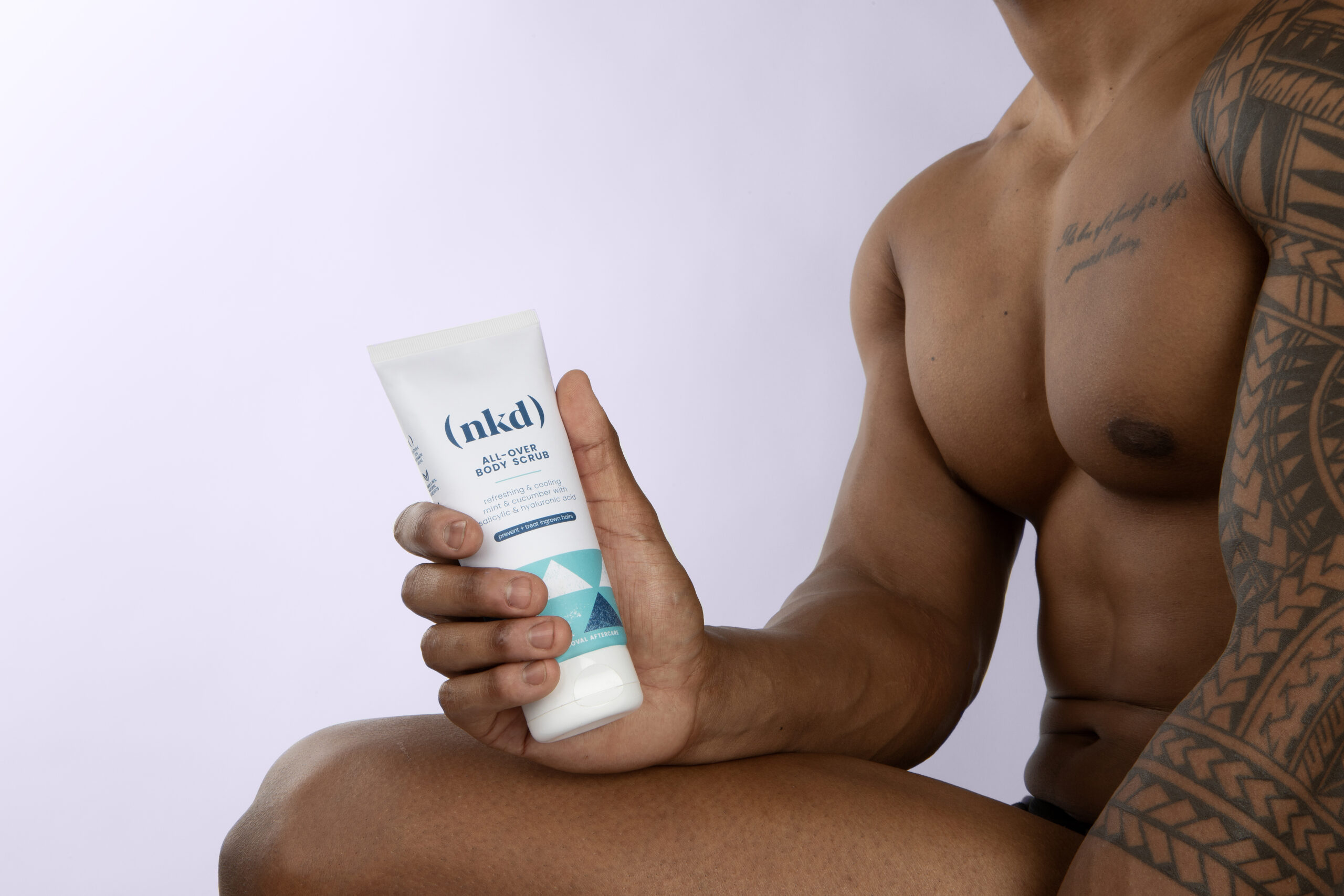
If you’d also like to help slow regrowth between appointments, keep an eye out for our upcoming guide to anti-regrowth products and explore the (nkd) aftercare range, designed to keep your skin healthy between waxes. ion.